Cubic
Industrial-scale simulations
DICE Computing is the maker of Cubic, the world’s first Heterarchical Granular Dynamics software for simulating as many particles needed at true-industrial scale. Industrial processes involving granular materials are inherently multiscale. The behavior of individual grains governs the performance of entire plants.
Cubic models how particulate material moves on average, so you can analyze large systems over long time horizons without the computational cost of tracking every particle. The result is a simulation framework that is dramatically faster, inherently scalable, and capable of handling particle counts beyond 1015.
Cubic excels across broad particle size distributions and accurately captures segregation, mixing, and particle breakage — all within a single unified software.
Cubic’s unique approach to industrial problems opens new pathways for:Where particle methods struggle
As system size and simulation duration grow, particle-by-particle approaches can become impractical for day-to-day engineering decisions.
Computation cost rises quickly with domain sizeLong-time behavior requires very large run times
Wide size distributions and breakage increase complexity
How Cubic is different
Cubic is the world’s first Heterarchical Granular Dynamics software to solve averaged particle behaviour, giving you a scalable way to study flow trends and process outcomes.
Built for large-scale, long-time analysis
Handles segregation, mixing, and particle breakage
Designed to produce actionable engineering outputs
Other softwares
Discrete Element Method (DEM)
- Limited particle variability
- Hard to determine contact properties
- Individual particle trajectories
Cubic
Heterarchical Granular Dynamics (HGD)
- Any particle variability
- A few simple engineering properties
- Decision-ready particle distribution fields
Cubic is ideal for
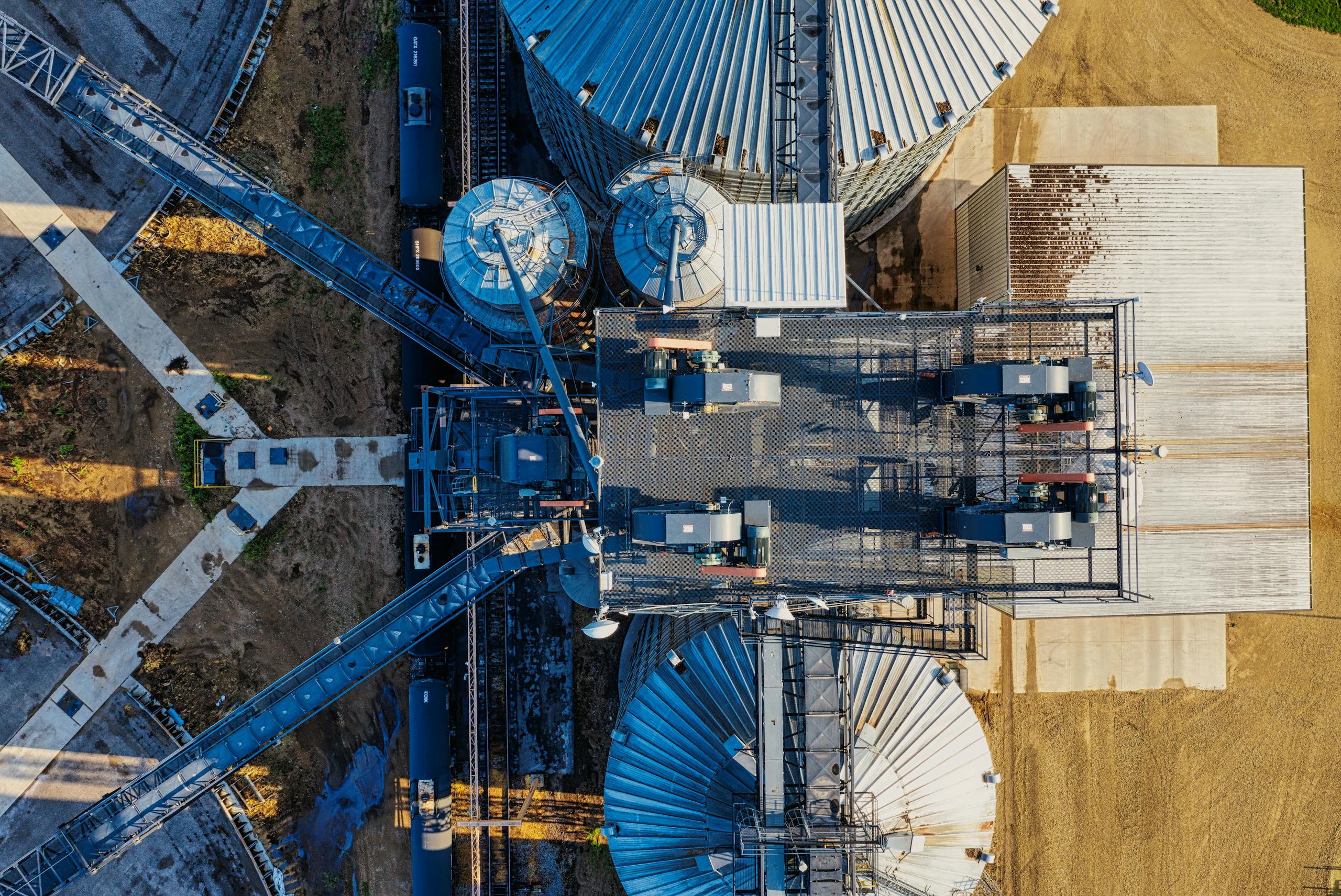
Bulk solids handling
Study flow, segregation, and blending behavior in storage, transfer, and handling systems.
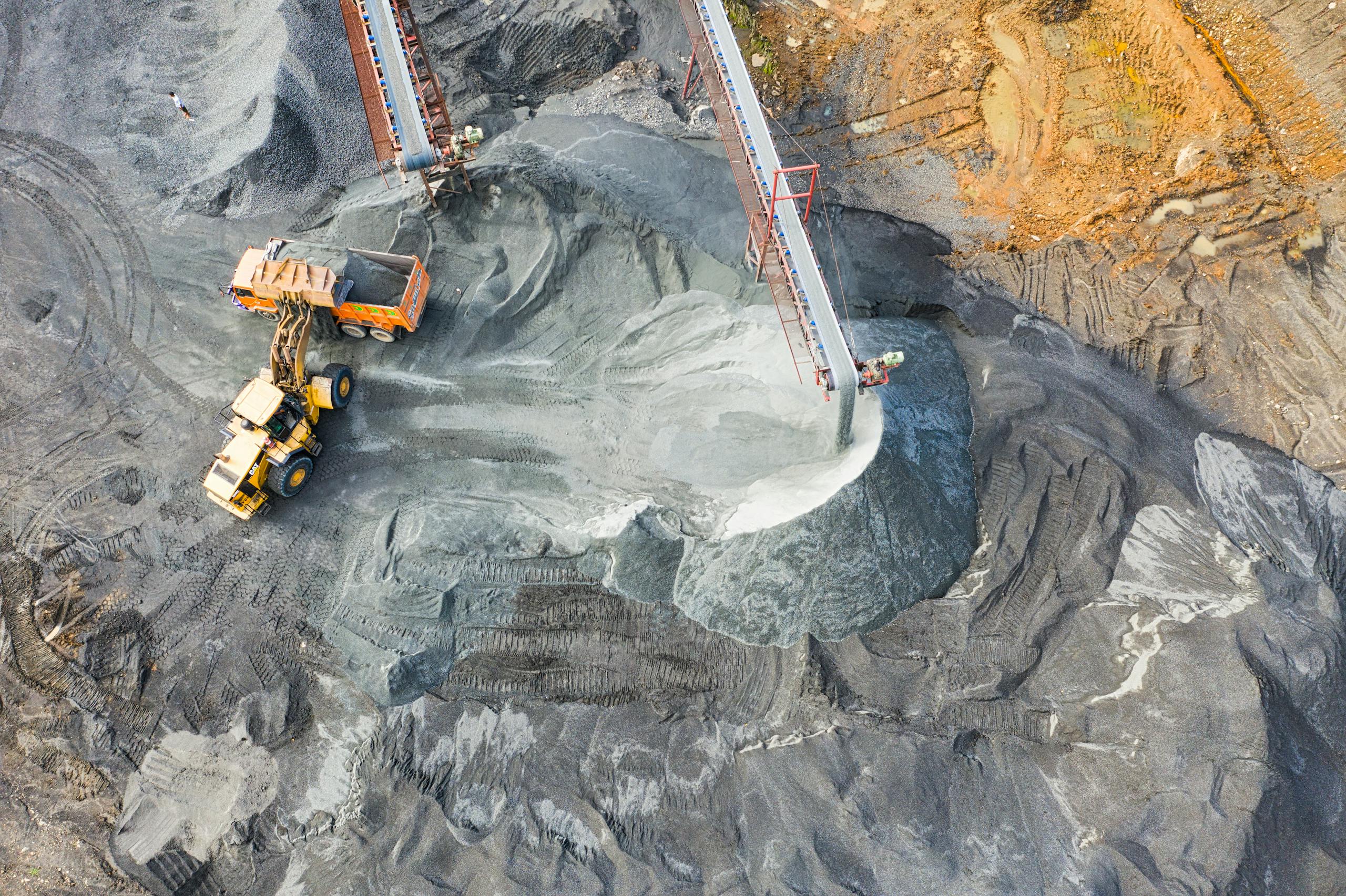
Mining and comminution
Evaluate how operating conditions influence material movement and downstream behavior.

Process engineers
Compare design options and operating strategies with simulation outputs that support practical decisions.
Frequently asked questions